

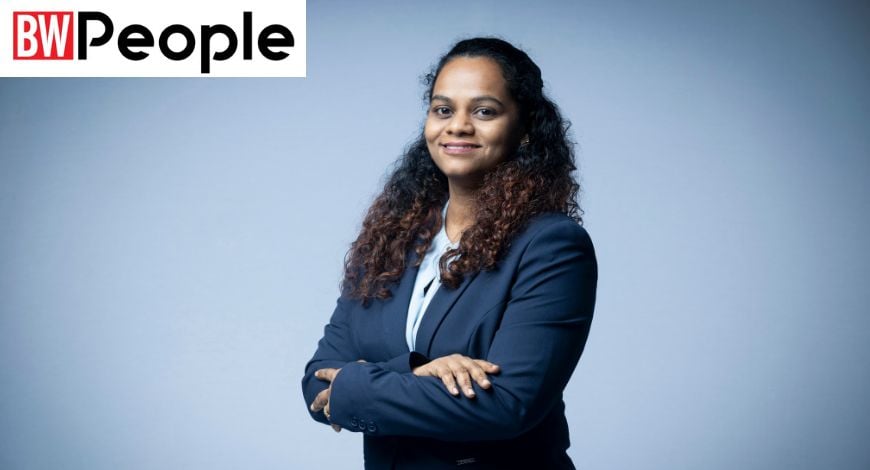
“Traditionally, employment revolved around fitting individuals into predefined roles. With GenZ entering the scene, there’s a palpable shift towards tailoring work opportunities around the unique skill sets of employees,” says Mili Panicker, Director – HR & People Operations, WebEngage
As the workforce landscape evolves, businesses must prepare for an influx of Generation Z employees. Born into a digital age with distinct values and preferences, the addition of Gen Z to the workforce brings with it new challenges and opportunities to the workplace. As Gen Zers are expected to comprise more than one-quarter of the global workforce by 2025, it becomes imperative for organisations to understand their psyche, their motivations, and what inspires them. Only then will organisations be able to adopt a nuanced approach to building and nurturing a Gen Z workforce. Working with them and retaining them requires us to embrace the new set of beliefs and characteristics that they bring to the table and calls for a possible transformation of the workplace environment to “match the vibe.”
Future of Work
The emergence of Generation Z in the workforce is indicating a significant shift in the dynamics between employers and employees. Traditionally, employment revolved around fitting individuals into predefined roles and job descriptions. However, with Gen Z entering the scene, there’s a palpable shift towards tailoring work opportunities around the unique skill sets of employees, fundamentally altering roles and responsibilities.
This shift is driven by several forces influencing the future of work:
The What: “Work” – With the increase in AI-led automation, the type of work assigned and executed by Gen Z employees changes (eg, identifying the optimal balance of using AI tools like ChatGPT to enhance work efficiency)
The Who: “Workforce” – Offering increased flexibility, higher personalisation, and a work-life balance becomes a must to retain Gen Z employees (eg, encouraging their entrepreneurial spirits of having a small business or social media presence of being an influencer/content creator)
The Where: “Workplace” – Establishing new combinations of collaborative, teaming, and digital reality technologies that cater to the work practices of a Gen Z workforce (eg, understanding the integration of technology in their work habits, from social media to the usage of memes, GIFs, and pop culture references)
The rise of Generation Z is reshaping the very fabric of work, from the tasks performed to the environments in which they are carried out, challenging traditional notions and demanding a more dynamic and personalised approach from employers.
Managing a Gen Z Workforce
Gen Z in the Workplace
In today’s workplace, Gen Z employees are the personification of digital natives. Raised in an era of constant stimulation, they effortlessly navigate through various communication platforms while multitasking like seasoned pros. Being a values-driven generation, Gen Z employees do not just seek monetary benefits but a workplace that aligns with their values and helps in their holistic growth. Fuelled by entrepreneurial ambitions, they’re fearless in challenging norms and bringing fresh ideas to the table. Despite their hustle, they prioritise work-life balance, seeking environments that accommodate personal growth and well-being. Gen Zers are focused on social responsibility and thrive in purpose-driven roles where they can make a tangible impact on society. With their innovative mindset and commitment to positive change, they’re reshaping the workplace landscape, one Slack message at a time.
Work Culture and Strategies for a Gen Z Workforce
To create a values-based work culture for a Gen Z workforce, several strategies can be implemented. Transparency and authenticity combined with fair and equal practices are key, as the Gen Z values honesty and openness in communication. Emphasising a purpose-driven mission that highlights the impact of their work on society is crucial. Offering flexibility in work arrangements and prioritising work-life balance caters to their preferences. Continuous learning and development opportunities should be provided, along with leveraging technology for productivity and collaboration. A culture of diversity and inclusion fosters a sense of belonging, while feedback mechanisms ensure their voices are heard and counted. Social responsibility initiatives aligning with their values should be promoted, like focusing on sustainability. Collaboration and teamwork should be encouraged, along with prioritising employee wellness and mental health support. Policies like Menstrual Work-from-home also serve as a good example of understanding the present-day needs of the workforce. By implementing these strategies, organisations can create a work environment that resonates with Gen Z, leading to higher engagement, satisfaction, and retention.
Evolving Leadership Roles
As the Gen Z workforce enters the professional arena, notions of what constitutes ‘leadership’ is also transforming. In essence, it is evolving from being a vertical or hierarchical framework, to one which is flat or horizontal. Today’s leaders must be digitally fluent, embracing technology to communicate and collaborate effectively. Leaders are expected to be open about goals and challenges and foster a transparent 2-way communication channel for continuous learning and feedback. Flexibility is key, accommodating diverse work styles and preferences. Purpose-driven leadership resonates with Gen Z, who seek meaning and social impact in their work. Furthermore, leaders who are able to maintain a work-life balance themselves serve as a true inspiration for them. In this evolving landscape, successful leaders inspire, foster trust, empower their teams, and embrace change to drive organisational success amidst the shifting dynamics of the Gen Z workforce.