
As a marketer, keeping up with fast-changing user behaviors can feel like a never-ending task. Manually updating lists is time-consuming, and your campaigns can’t afford to wait!
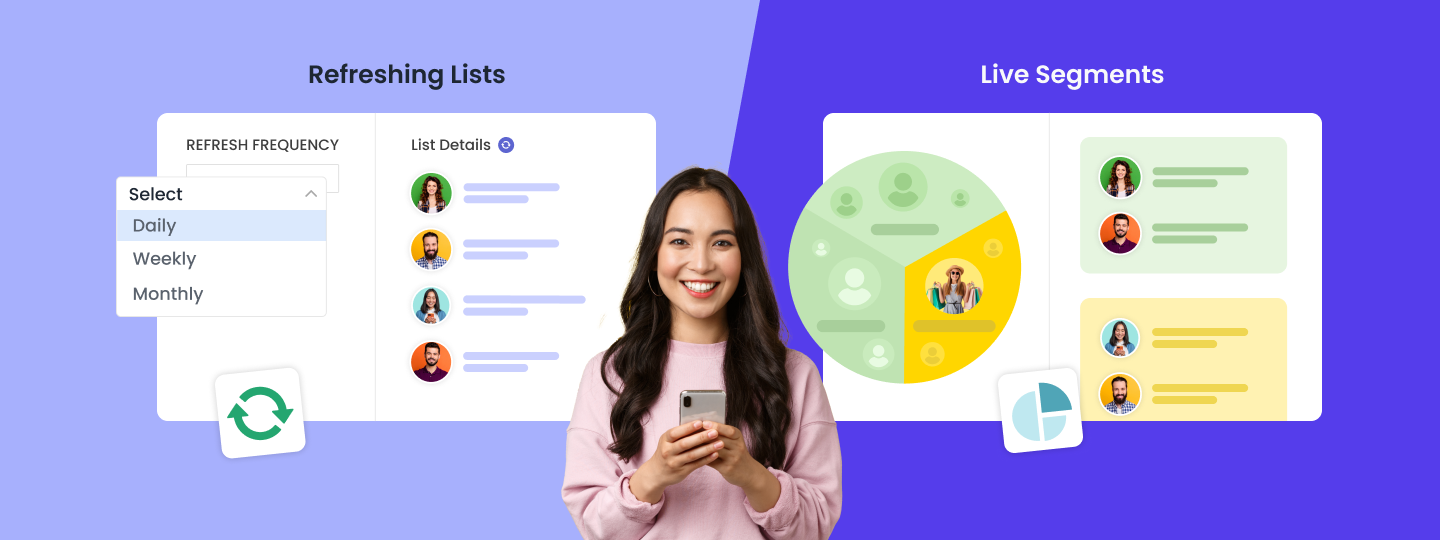
Enter two powerful audience-targeting tools—Refreshing Lists and Live Segments– to help you precisely target the right audience.
In this blog, we’ll explore:
- How each feature works
- The critical differences between them
- Practical use cases to match your campaign goals
- How to choose the right tool for your needs
Let’s dive in!
Introducing the Essentials: Refreshing Lists and Live Segments
Here’s how each feature works and where it shines.
Refreshing Lists dynamically update users based on predefined criteria at scheduled intervals (daily, weekly, or monthly). They are ideal for campaigns that require consistent targeting without the need for real-time adjustments.
Example: Target repeat buyers by creating a list of “users who’ve made two or more purchases in the past 90 days”. Set a daily refresh to automatically include new frequent buyers in personalized “Thank You” messages with special discounts.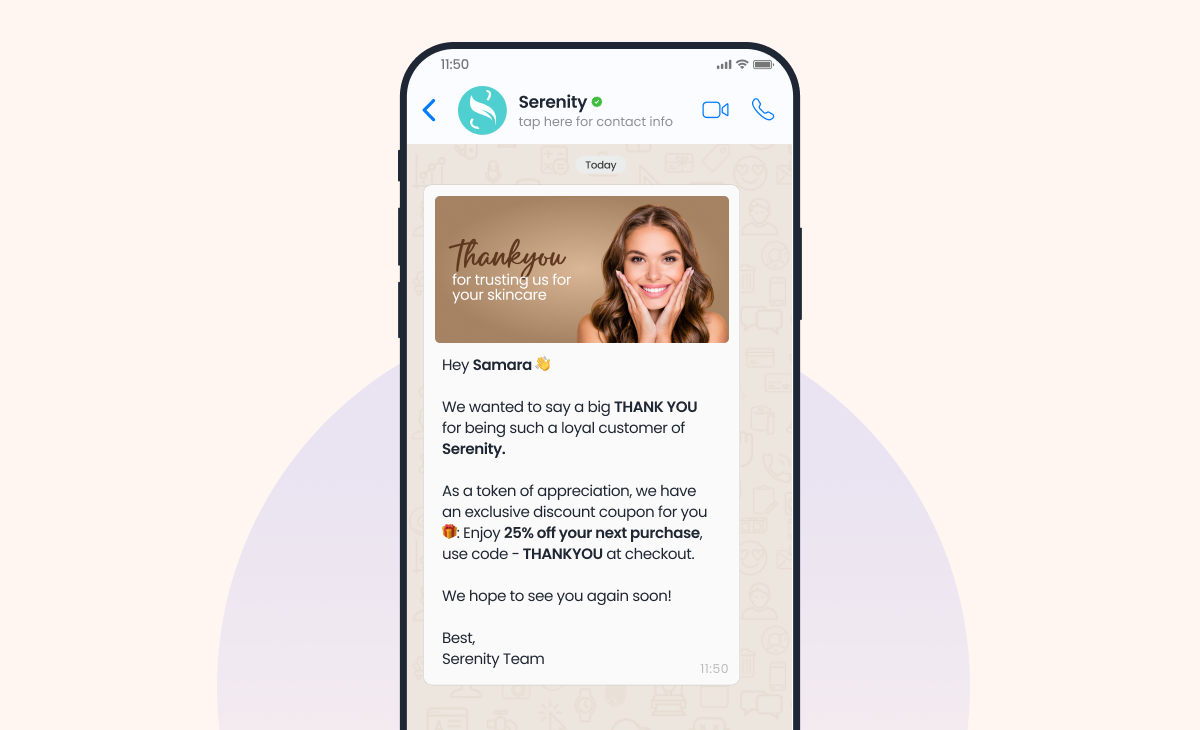
Live Segments evaluate user behavior or attributes in real-time, adding or removing users the moment they meet the criteria. They are ideal for immediate actions like real-time notifications or instant follow-ups.
Example: Create a live segment of users who haven’t opened the app in 7 days. As soon as someone meets this criterion, trigger a personalized push notification offering a time-sensitive discount to bring them back.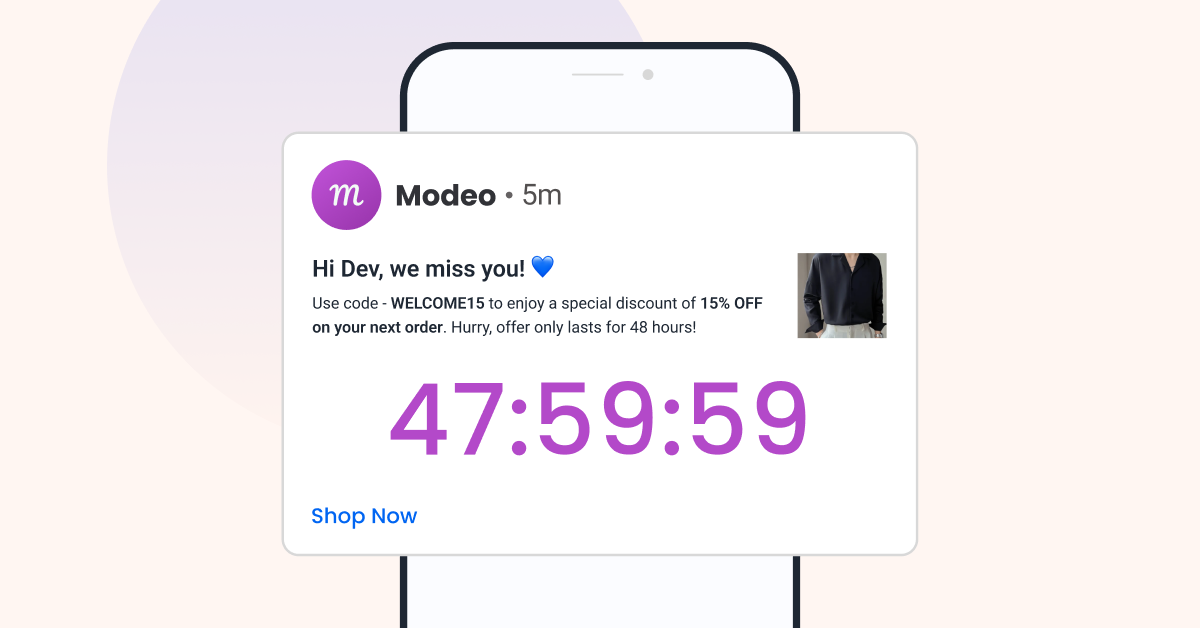
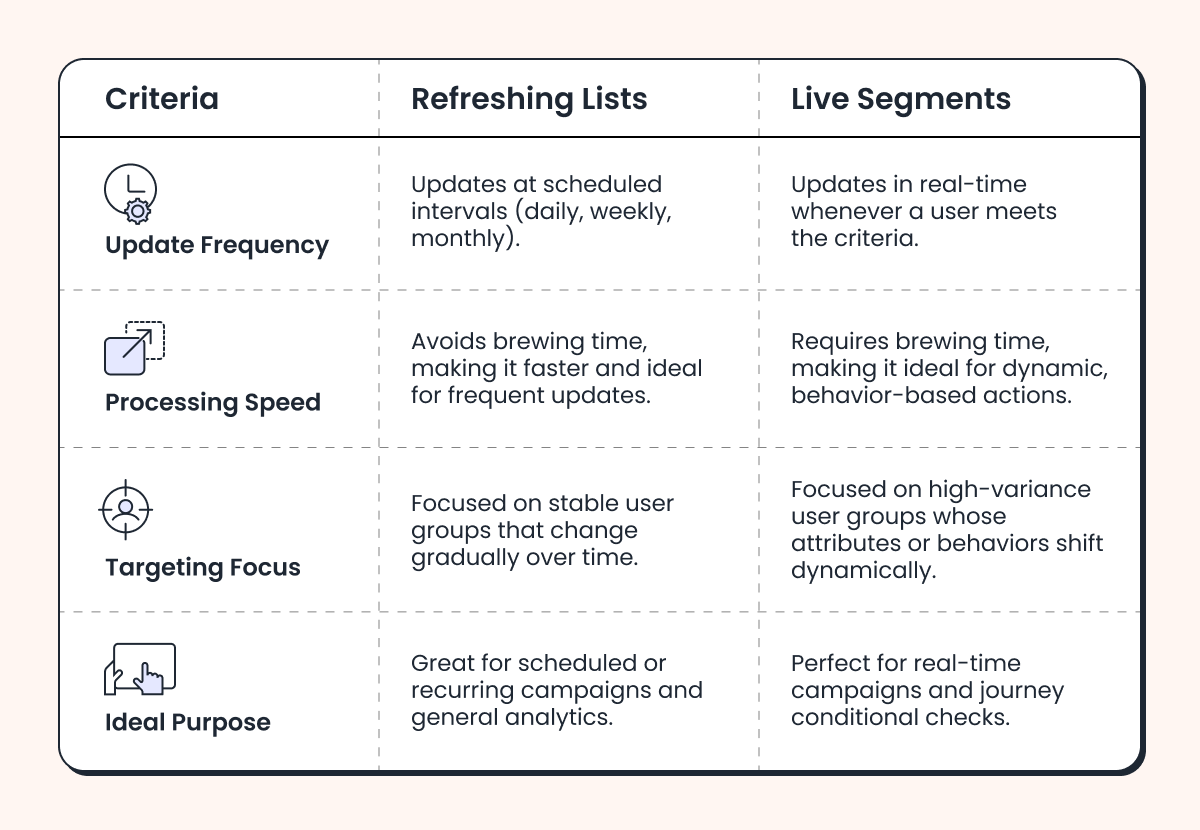
Key Differences at a Glance
When to Use Refreshing Lists?
Refreshing Lists are perfect for campaigns requiring regular updates without the need for real-time actions. They ensure your targeting remains dynamic, timely, and efficient.
1. New User Onboarding Campaigns
Automatically engage users who signed up in the past 7 days with a tailored onboarding sequence.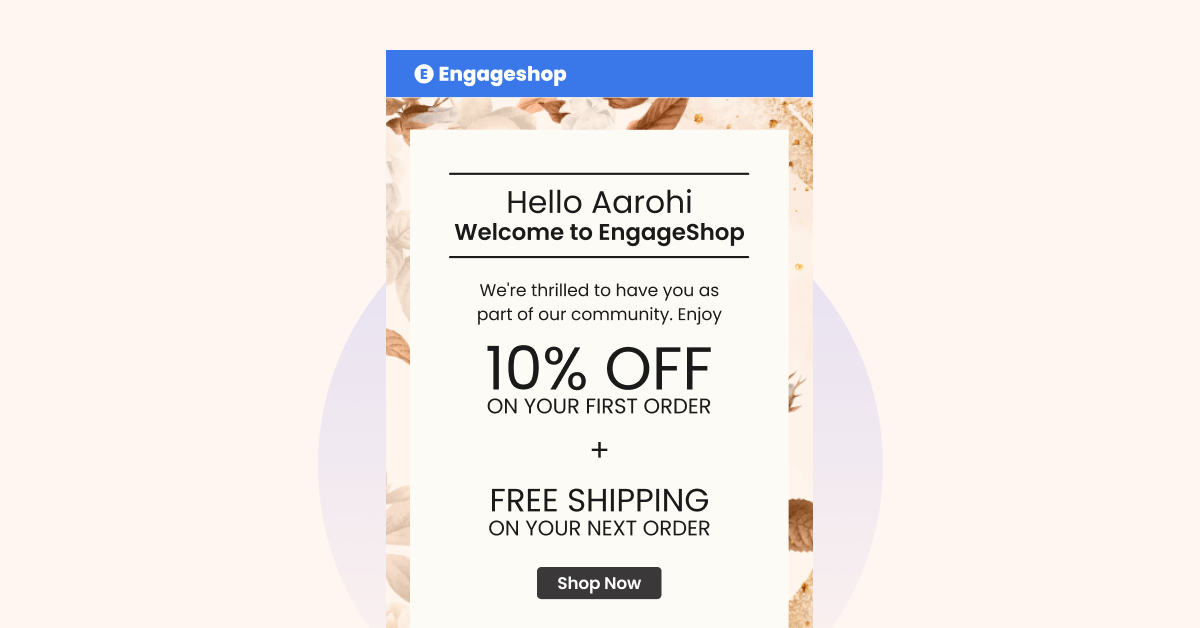
How it Works: Set criteria like “Signed Up in the Last 7 Days” and schedule a daily refresh. Newly registered users are added automatically, ensuring timely delivery of personalized onboarding emails or push notifications.
2. Seasonal Sale Engagement
Engage users who browsed seasonal categories like “Winter Wear” in the past week for targeted promotions.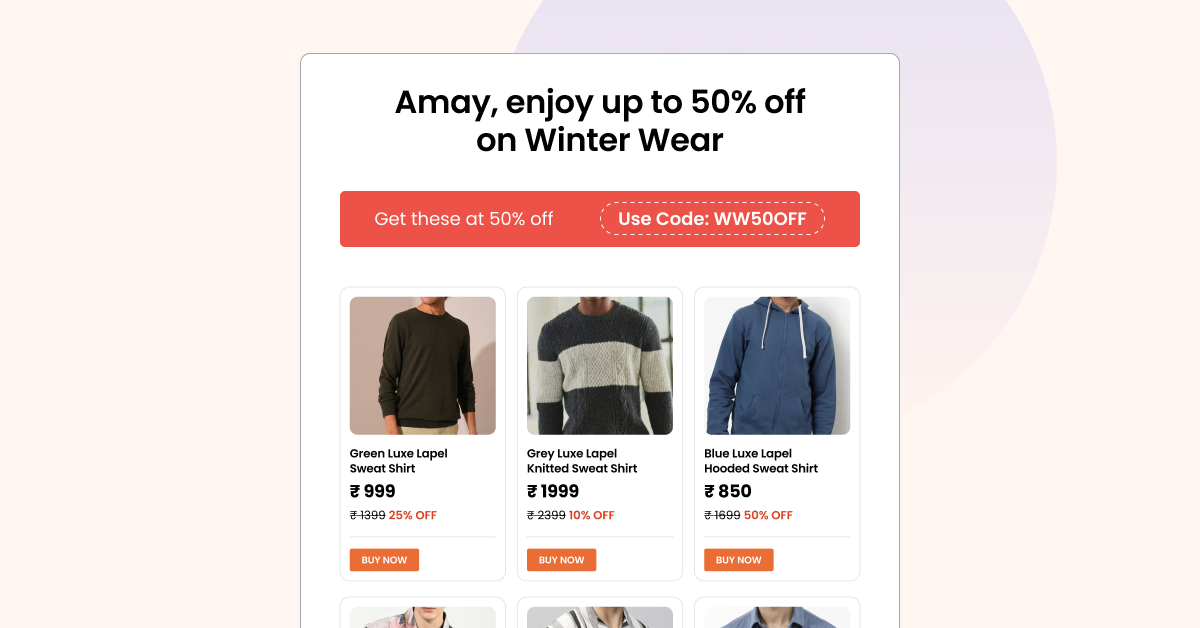
How it Works: Create a Refreshing List with criteria like “Browsed Winter Wear Category in the Last 7 Days” and refresh it daily. This keeps your campaigns relevant and aligned with recent browsing behavior.
3. Inactive User Re-Engagement
Re-engage users who haven’t interacted with your platform in the last 30 days by offering incentives to return.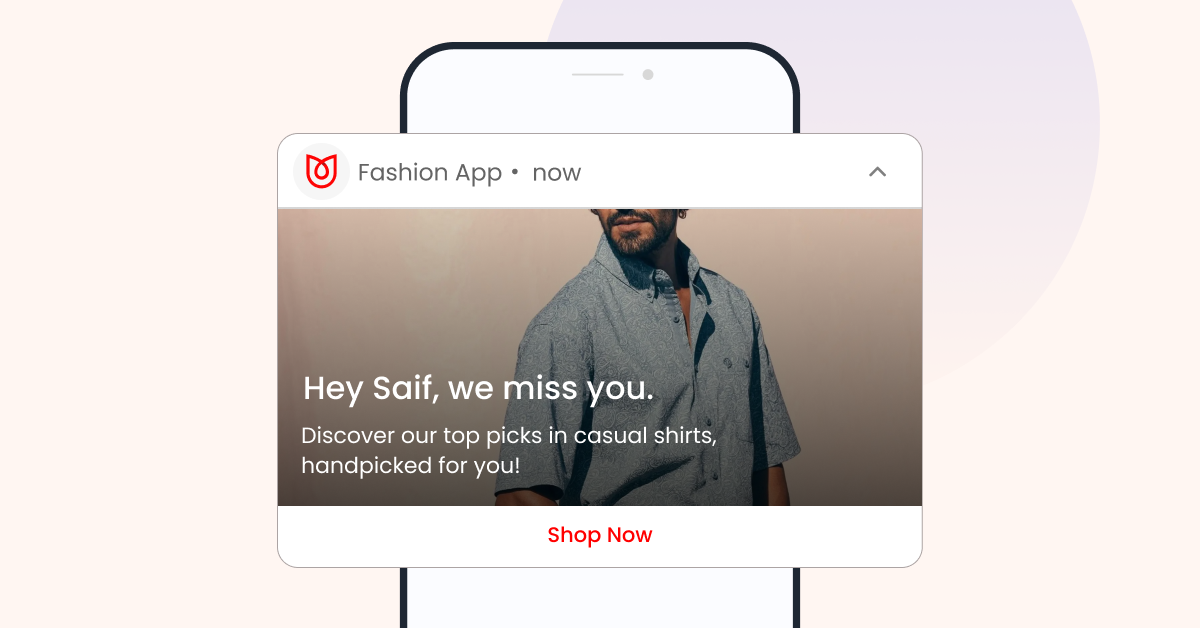
How it Works: Set criteria like “No Activity in the Last 30 Days” and schedule weekly refreshes. Users meeting this condition are automatically included in campaigns with reactivation offers, saving manual effort.
When to Use Live Segments?
Live Segments are ideal for time-sensitive actions where real-time user behavior drives outcomes. They help deliver hyper-personalized experiences instantly.
1. New Product Launches
Engage users who recently interacted with your product category.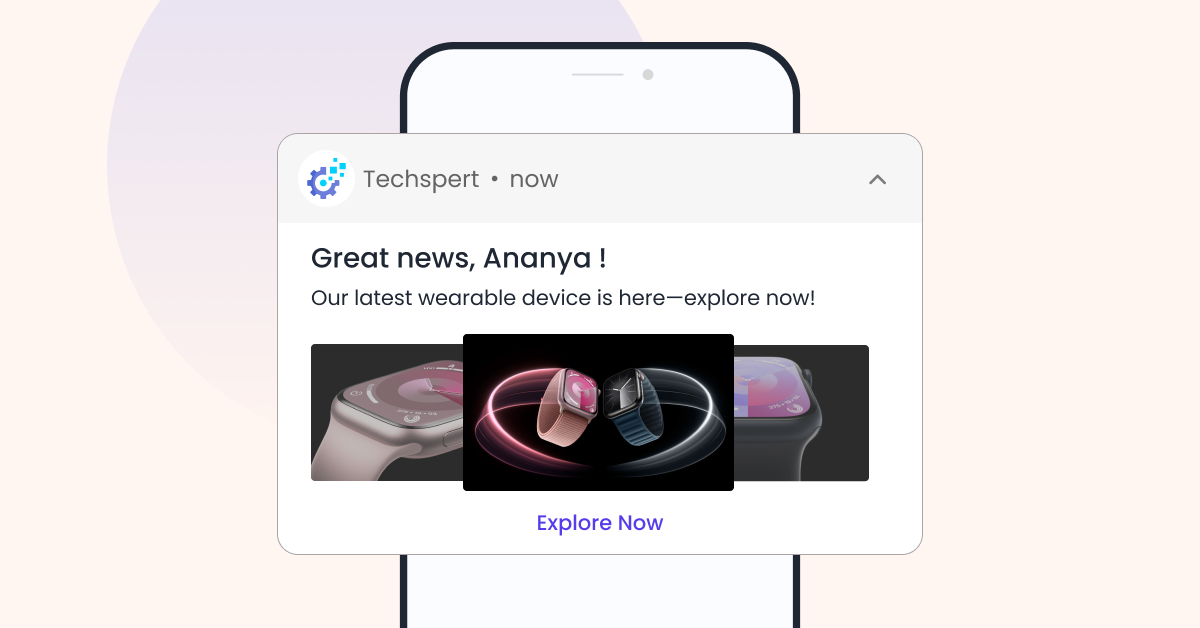
How it Works: Create a Live Segment for “Browsed Electronics in the Last 7 Days.” When users interact with the category, the segment triggers a message (e.g., “Our latest wearable device is here—explore now!”).
2. Immediate Cart Abandonment Recovery
Re-engage users who abandon their cart by offering timely incentives.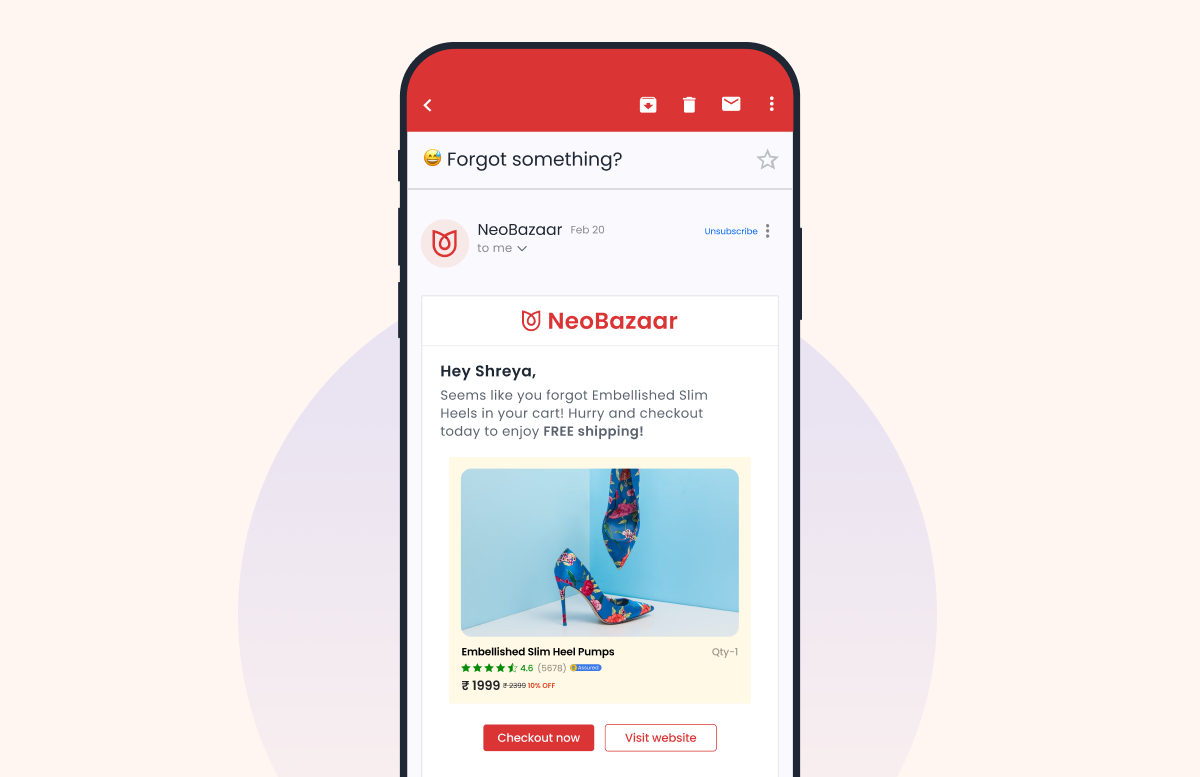
How it Works: Set criteria like “Added to Cart but Did Not Purchase” and enable real-time updates. When users abandon their cart, the segment triggers an email or notification offering discounts or free shipping to encourage checkout.
3. Dynamic Upsell Opportunities
Promote related products to users who recently purchased or viewed items.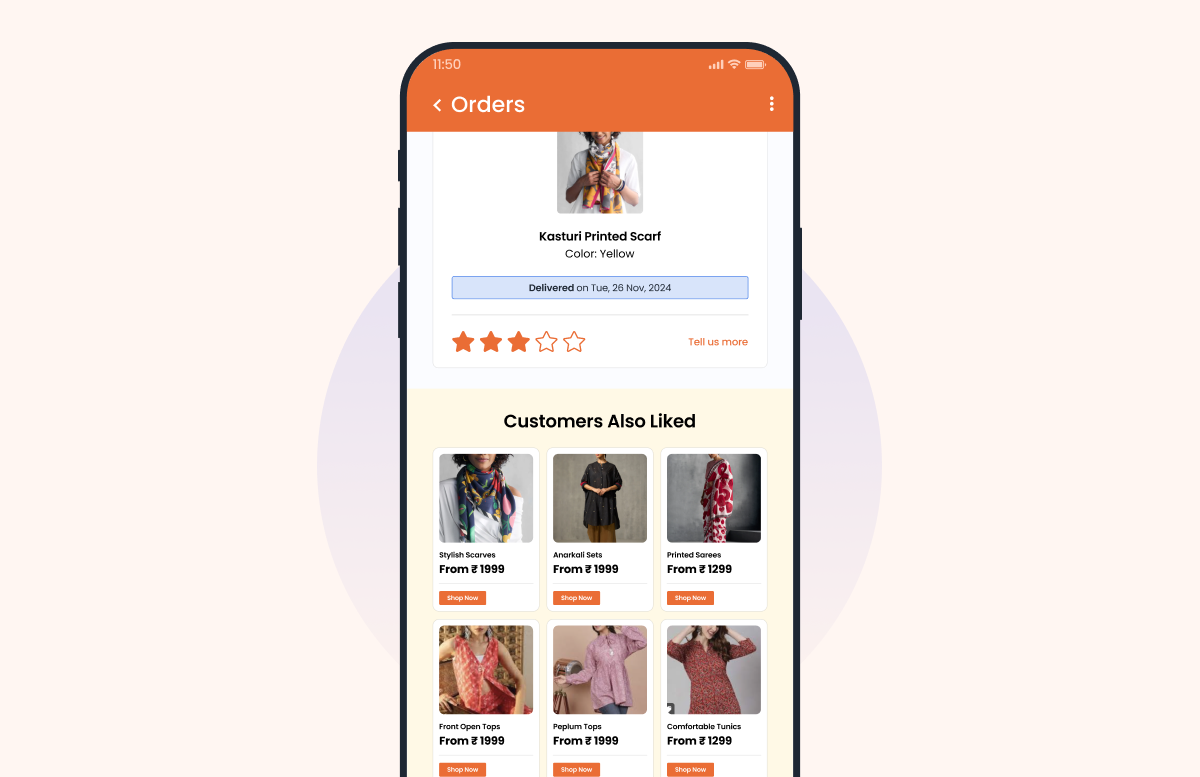
How it Works: Define a Live Segment with conditions like “Purchased Product A in the Last 24 Hours.” The segment immediately triggers a follow-up campaign recommending complementary products (e.g., “Complete your look with these accessories”).
The big advantage: which one is right for you?
If your campaign doesn’t require real-time updates, Refreshing Lists can save you significant time by skipping the brewing process involved in Live Segments.
Top advantages of refreshing lists
- Simplicity: Easy to set up and maintain, as it uses predefined criteria and scheduled updates.
- Time Efficiency: Avoids resource-intensive brewing and eliminates the need for manual intervention.
- Scalability: Handles large datasets seamlessly, making it ideal for recurring campaigns that target broad, stable user groups.
For campaigns where immediacy drives outcomes, Live Segments are unbeatable.
Top advantages of live segments
- Instantaneous Action: Real-time evaluation ensures users are targeted the moment they meet criteria.
- Dynamic Personalization: Adapt content to live user behaviors for a tailored experience.
- Seamless Integration with Journeys: Ideal for time-sensitive campaigns like uninstall recovery or immediate assistance.
Conclusion
71% of consumers expect personalization, highlighting the need for timely targeting. To help you achieve this, Refreshing Lists and Live Segments are the perfect tools for your marketing automation arsenal.
Choosing between Refreshing Lists and Live Segments depends on your campaign needs and objectives. So, evaluate your goals, prioritize timing, and maximize these audience-targeting features!
Want to learn more? Explore our knowledge base for in-depth guides on Refreshing Lists and Live Segments. If you have any queries, feel free to contact us at product@webengage.com or connect with your Account Manager.