
As per Statista, the global online travel market size reached a staggering 475 billion U.S. dollars in 2022. Looking ahead, projections indicate that this figure is going to surpass 521 billion U.S. dollars in 2023, with aspirations to go beyond the one trillion U.S. dollars mark by 2030.
But with this promise of growth comes the inevitable increase in competition. As the industry expands, travel businesses find themselves working in a crowded marketplace.
In a crowded marketplace, success depends not only on attracting customers but also on engaging them through a seamless and efficient funnel.
You must fix your funnel to avoid any revenue leakage. A well-optimized funnel ensures that every potential customer moves smoothly from discovery to conversion, maximizing revenue potential.
To make your funnel leak-proof, one strategy that stands out is omnichannel engagement.

In this blog, we will explore how tactics similar to the one above, including omnichannel engagement, can be a game-changer for the travel industry to attract more customers and ensure their conversion.
Let’s dive right in!
How omnichannel engagement help OTAs in funnel optimization?
For Online Travel Agencies (OTAs), the journey from potential customer discovery to successful conversion is a tricky process. Here’s what a typical funnel for an OTA looks like:
- Product/ service discovery: Users explore the OTA platform, searching for flights or hotels based on their travel preferences and needs.
- Login and details submission: Upon finding a suitable option, users often proceed to log in, providing their contact details such as cell number and email ID.
- Search and exploration: Users actively engage with the platform, doing thorough searches, comparing options, and possibly checking out.

At the checkout stage, however, OTAs face a huge challenge. Most of the dropoffs happen here. Check-out is the point where the travel industry witnesses one of the highest drop-off rates. Users, for various reasons, may abandon their transaction – dissatisfied with prices, uncertain travel plans, or simply deferring the booking.
So, how can OTAs bring these users back into the funnel and encourage them to complete the transaction? The solution is Omnichannel marketing.
Bring customers back with omnichannel marketing
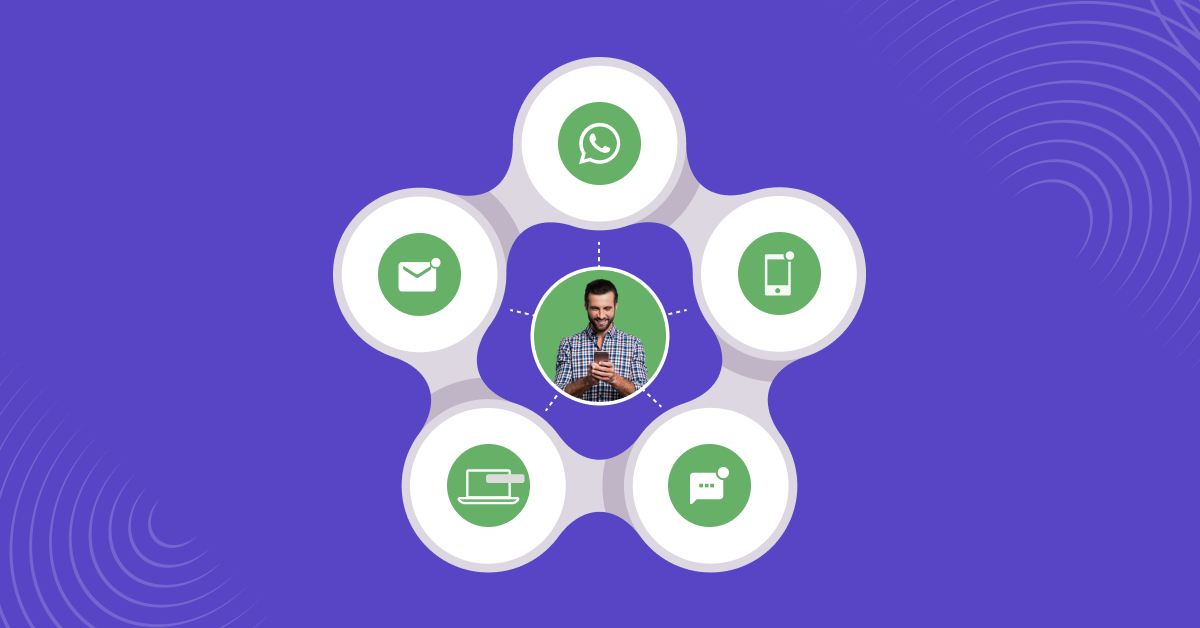
With omnichannel marketing, you can strategically re-engage users and optimize the funnel effectively.
With an omnichannel engagement platform like WebEngage, you can nudge users back into the OTA funnel. How?
Push Notifications: These are sent directly to the user’s mobile device to provide instant alerts, reminding them of their incomplete bookings and nudging them to continue their search. Wego, a leading OTA, also faced high drop-off rates, but by implementing push notifications, they increased their conversions by 28% during JFM.
SMS Alerts: You can engage offline customers by sending concise and compelling SMS to them, nudging them to complete their bookings. WebEngage allows you to hyper-personalize and completely automate these SMSs based on triggers to make campaign management hassle-free for you.
WhatsApp Messages: With the popularity of messaging apps, sending personalized messages on WhatsApp can be a powerful way to reconnect with users and address any concerns or hesitations regarding their bookings.
Email Campaigns: Strategic email campaigns, triggered based on user behavior, offering incentives or limited-time offers, can provide additional information to entice users back into the booking process.
App Pop-Ups: In-app notifications or popups can be strategically deployed to re-engage users, showing exclusive deals or updates tailored to their preferences.
How can airlines engage crew and customers with omnichannel?
Engaging customers and crew is a massive challenge for the airline industry. The airline funnel, from booking to boarding, is complex and often needs to be dynamic to adapt to the rapidly changing preferences and behaviors of passengers.
However, with the implementation of omnichannel engagement, airlines can easily optimize their funnel and bridge the existing gaps in their current strategies.
Prevent abandoned bookings using exit intent popups
One of the critical pain points in the airline funnel is the typical scenario where a potential customer drops off from the checkout page.
In an industry where alternatives are just a click away, the chances of losing that customer to a competitor are high. Here’s where omnichannel engagement comes into play.
Exit intent pop-ups strategically appear when a customer is about to leave the website without completing a transaction. These pop-ups can present enticing offers or alternative options, immediately addressing the customer’s potential diversion and providing them with a better choice, all within the airline’s website.
Marketing automation for targeted re-engagement
Beyond exit intent pop-ups, airlines can also leverage marketing automation workflows to re-engage customers based on the specific page they were on when they left.
Tailored messages and incentives, sent through various channels like email or SMS, can entice customers to return and complete their booking.
For example, a customer is searching for flights from Delhi to Dubai on the airline’s website but leaves without booking one. The airline can reach out to the customer with personalized message recommending the best time flights or those that offer a good deal on a return trip.
This targeted approach ensures that airlines don’t lose potential customers to the competition and can recover bookings that might have otherwise been abandoned.
Build advocacy by offering better customer experiences
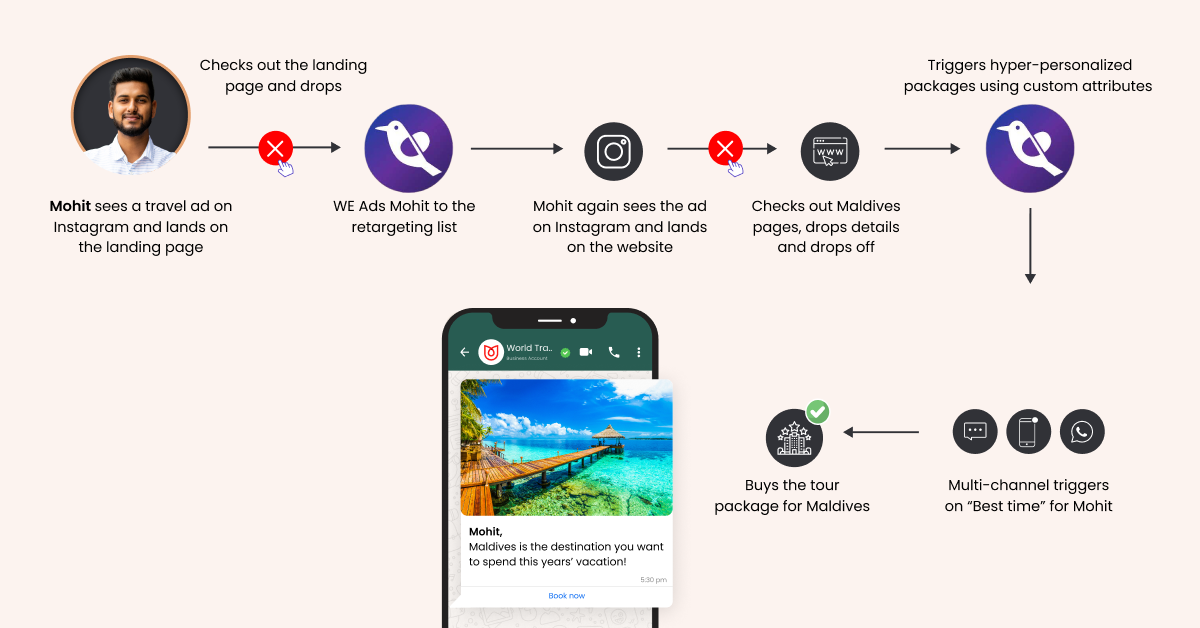
Advocacy plays a pivotal role in the airline funnel, as customers often rely on recommendations from trusted sources when choosing an airline.
Omnichannel engagement helps build advocacy by enhancing the overall customer experience. Keeping customers informed about flight information, expected delays, and even sending a copy of the ticket before boarding contributes to a positive experience.
Streamline staff and crew communication
Effective communication is crucial for staff-intensive sectors like airlines. The coordination between team members across departments can make or break the airline’s operations.
While many airlines have native apps for attendance recording and information sharing, the process can be streamlined further with the help of WebEngage’s omnichannel communication.
From emergency communications to festival greetings and from monthly finance updates to reimbursement communication, WebEngage ensures that messages reach the intended recipients promptly.
These communications can be delivered through various mediums, including automated SMS and push notifications, providing a simple and efficient staff and crew engagement solution.
Now let’s take a look at another staff-intensive sector in the travel industry – hotels – to see how omnichannel engagement impacts their funnel.
How can omnichannel engagement help hotels increase conversion?
The hotel industry is quite competitive, where the average conversion rate for online bookings is around 1%, and achieving a conversion rate of 2% is considered quite good.
The primary focus in this industry is to enhance the conversion rate. And the most effective strategy is often to convert the clients who have already shown interest by visiting the hotel’s website.
Let’s take a scenario where a potential guest explores a stay at a luxurious property like Taj. The prospect engages by logging in and entering details such as a cell number, email ID, and the intended date of travel.
Taj promptly sends a quote, but alas, the prospect drops off to compare quotes from other channels. This is a common scenario in the hotel industry, and the challenge is clear: How do you bring back and convert this potential guest?
Platforms like WebEngage offer a robust solution through automated omnichannel marketing campaigns, providing hotels like Taj with the tools to drive significantly better conversion rates.
Here are two effective strategies that can help hotels increase their conversion rate:
1. Automated follow-up messages
Suppose a prospect drops off without completing the booking. In that case, Taj can deploy an automated message after a strategically determined time, say 12 hours. This message can be tailored to remind the prospect about their pending reservation and also sweeten the deal – perhaps by upgrading the room or providing an additional incentive, thus increasing the likelihood of conversion.
2. Incentivizing Direct Bookings
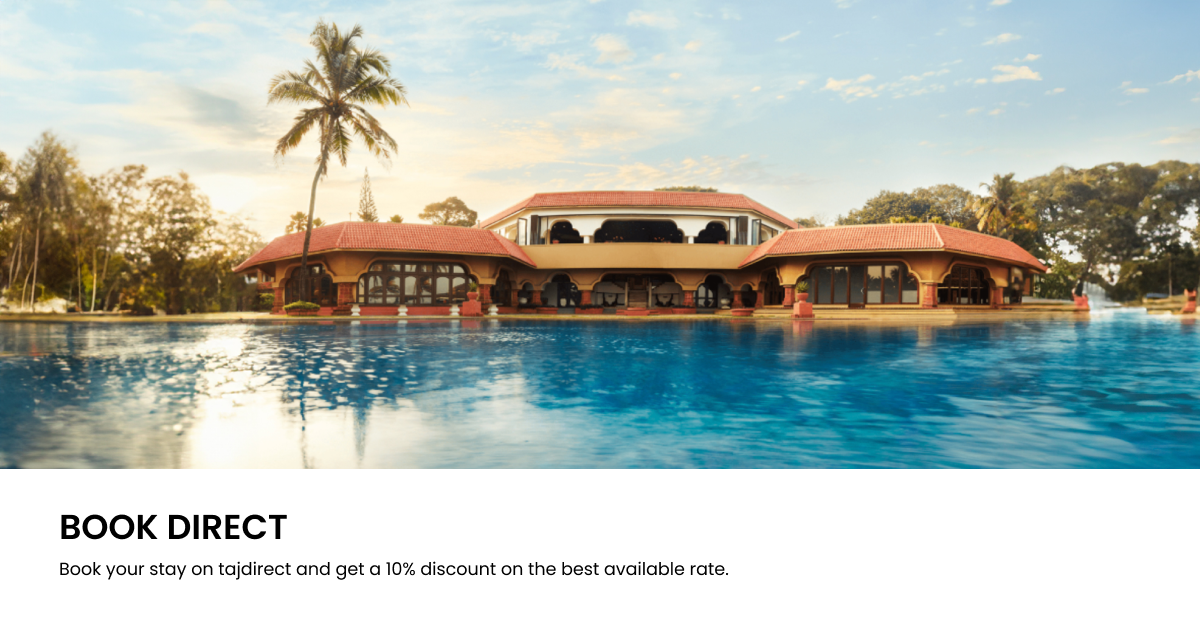
Another effective approach is incentivizing direct bookings through the hotel’s website or app. Taj can offer exclusive perks, such as a complimentary gala dinner, for guests booking directly through their platform. This adds value to the guest experience and encourages them to bypass third-party channels, boosting direct bookings and increasing conversion rates.
Best practices for airlines and hotels in omnichannel engagement
- Personalization is key: Tailor your messages based on guest preferences, behavior, and past interactions. Personalized messages resonate more strongly, increasing the likelihood of engagement and conversion.
- Strategic timing: Use the real-time capabilities of omnichannel tools to send messages at optimal times. Whether it’s a follow-up after a certain duration or a targeted promotion during peak engagement hours, timing plays a critical role in effective engagement.
- Consistency across channels: Maintain a cohesive and consistent brand message across all channels. From emails to push notifications and SMS, a unified brand voice builds trust and reinforces the customer’s connection with the brand.
- Multichannel communication: Try to use as many communication channels as possible to reach your audience. Utilize email, push notifications, SMS, and other platforms based on guest preferences, ensuring your messages are heard across diverse channels.
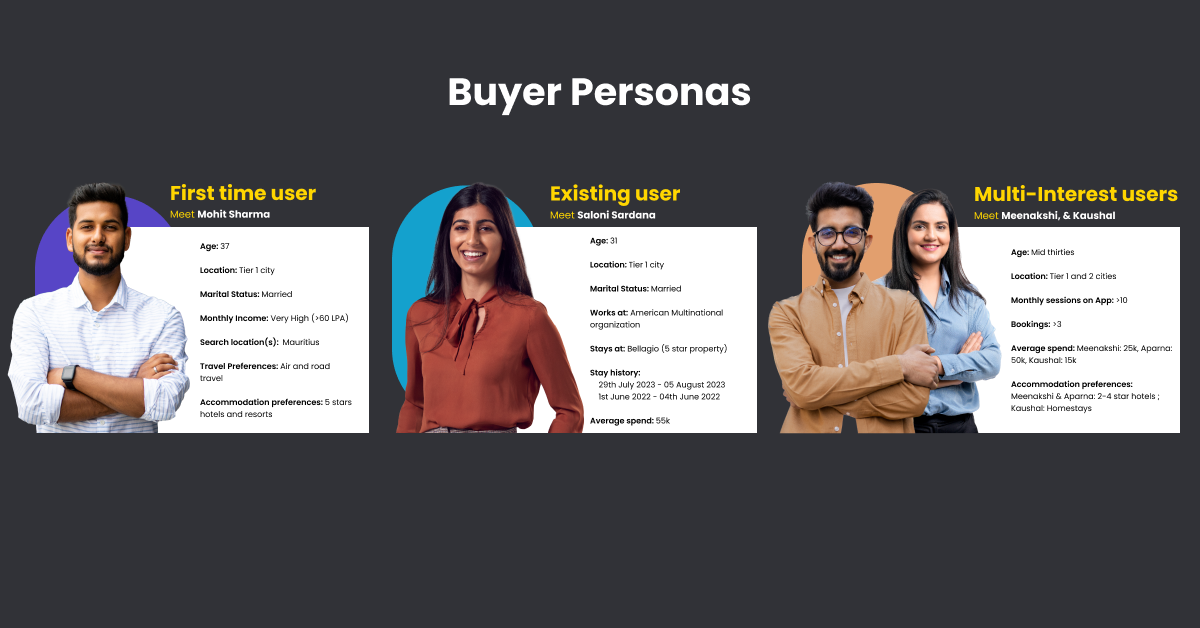
- Data-driven decision-making: Use customer data platforms to build ideal customer profiles and create buyer personas to track and understand guest behavior. Insights into user preferences, booking patterns, and interactions can help you build more targeted and effective omnichannel engagement strategies.
Optimize your funnel for success with WebEngage
The travel industry is fiercely competitive; going omnichannel is the need of the hour to stay ahead of the competition. To stay ahead, travel businesses must seamlessly take care of every customer touchpoint.
Enter WebEngage—it helps you take your brand wherever your customers are. Automated communication with customers has never been this easy. You can design marketing automation workflows to encourage your customer to convert on multiple channels like Web Push, In-app Popup, SMS, Emails, WhatsApp, Facebook, etc.